

The latest food and beverage industry news from the world
Provided by AGP
NCKU International Team Explores Tainan Rural Areas to Conduct 'Yellow Carbon' and Natural Carbon Sink Surveys
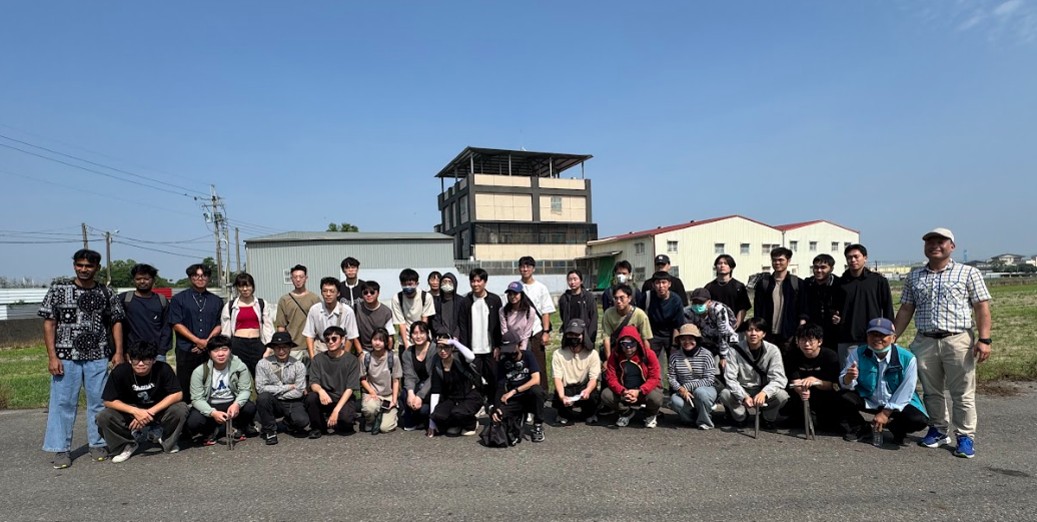
The team conducts a soil carbon survey in a Xinhua sweet potato field, exploring the potential of "Yellow Carbon" to achieve net-zero agricultural goals.
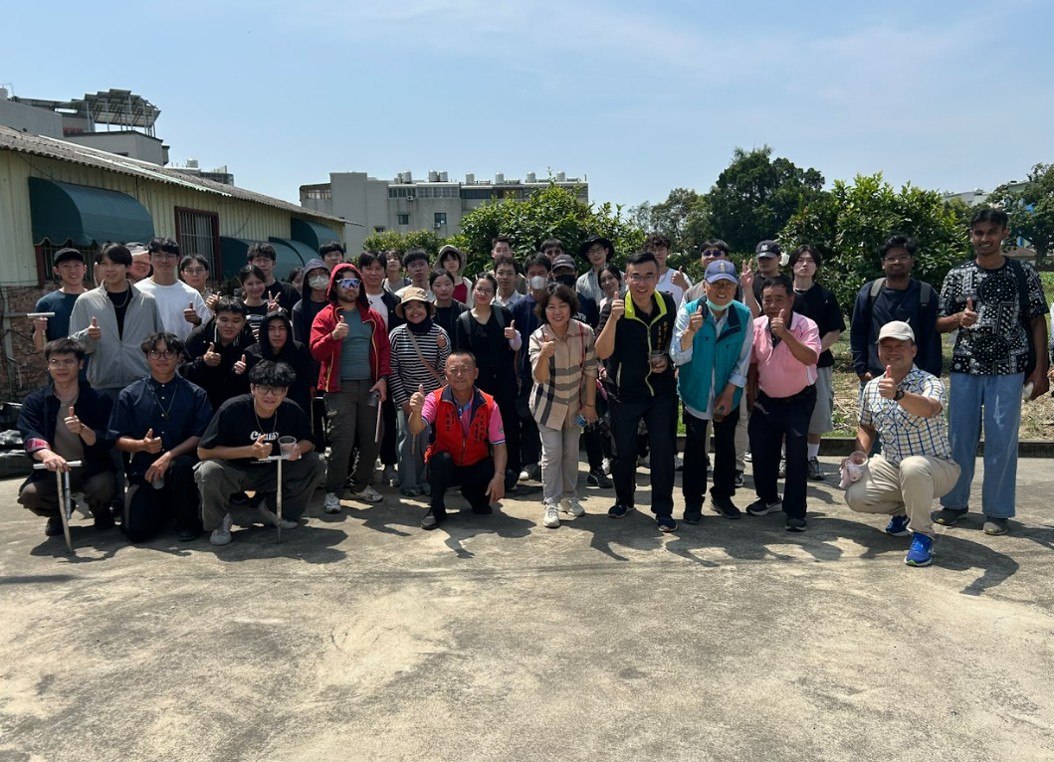
Restoration of the endangered White Wax Apple in Xinshi District serves as a model for integrating cultural preservation with natural carbon sink development.
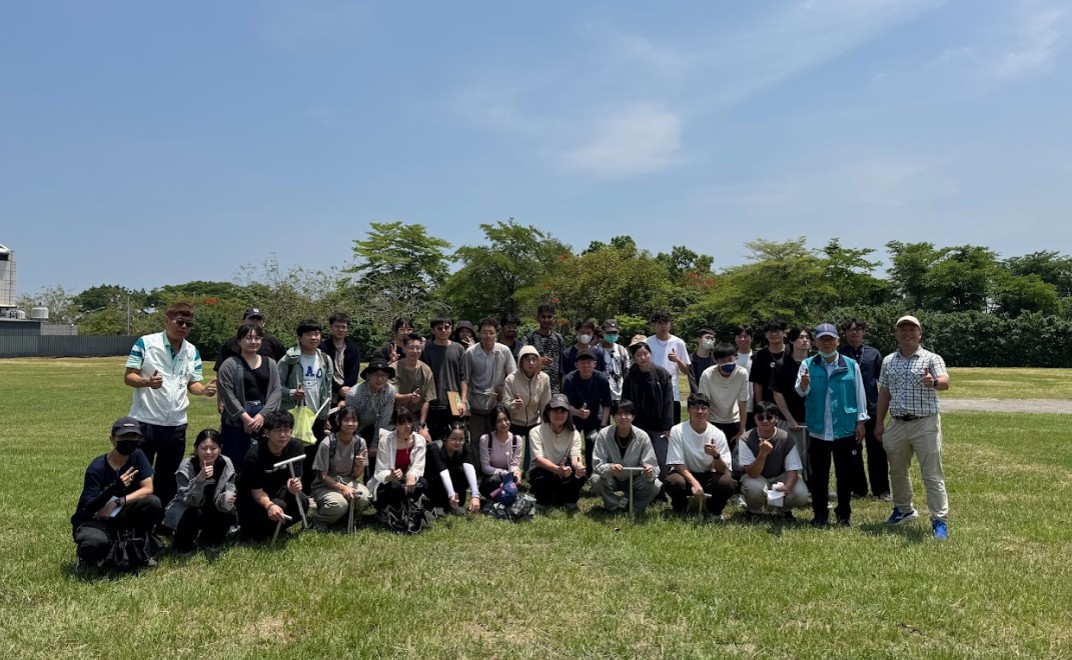
The Wilderness Carbon Sink Park in Shanhua demonstrates the dual-axis strategy of industrial carbon reduction and natural sequestration near the high-tech corridor.
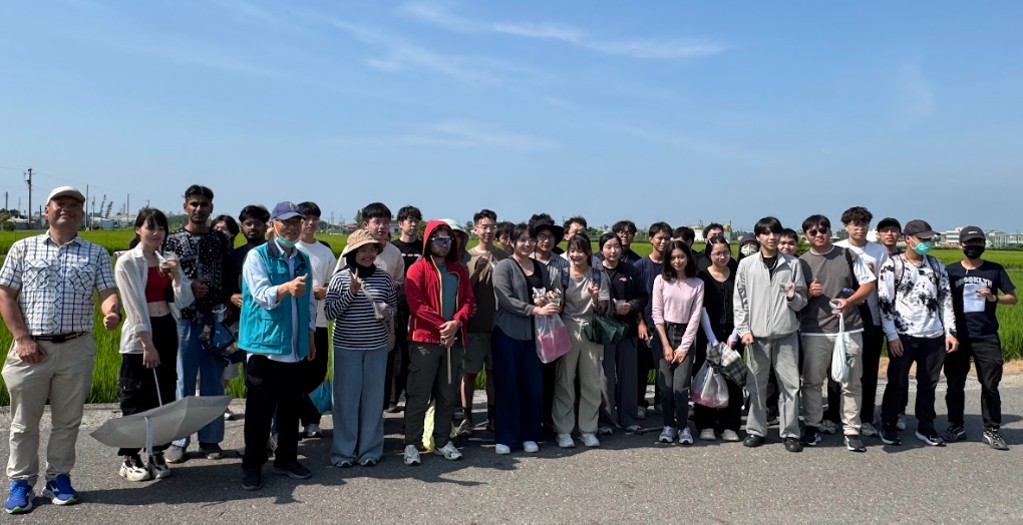
The rice paddies in Liuying District are being transformed into CO2 warehouses" through precise scientific management and carbon sequestration monitoring.
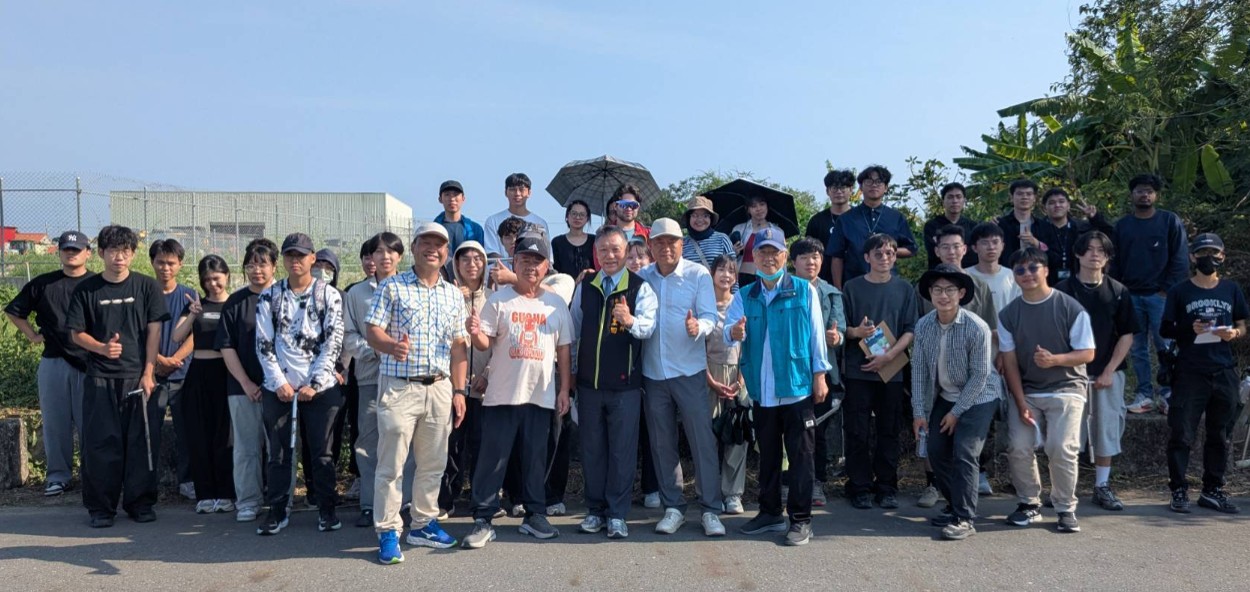
The Xinying dryland farming site showcases hardwood maize cultivation, turning traditional crops into "Carbon Gold" through soil sequestration.
National Cheng Kung University’s Satoyama Mace Initiative explores "Yellow Carbon" in Tainan, transforming local farmland into global climate change solutions.
Agriculture is not just a food supply chain; it is a vital solution for global climate governance, transforming rural areas into the core of future ecological value.”
— Dr. Yen, Chen-Piao, the New Agricultural Biotech Production Cooperative
TAIWAN, May 11, 2026 /EINPresswire.com/ -- Five districts in Tainan City became the focus of international ecological attention today. Distinguished Professor Yen-Hsun Su, leader of the Satoyama Mace Initiative, joined forces with Dr. Yen, Chen-Piao, Chairman of the New Agricultural Biotech Production Cooperative, a partner of the International Partnership for the Satoyama Initiative (IPSI). Together with 40 students from National Cheng Kung University’s (NCKU) Academy of Innovative Semiconductor and Sustainable Manufacturing and the Department of Materials Science and Engineering, they formed a cross-generational international team to investigate net-zero pathways and natural carbon sinks across Xinhua, Xinshi, Shanhua, Liuying, and Xinying.
The survey specifically targets "Yellow Carbon"—carbon sequestered in agricultural soil. By implementing Measurement, Reporting, and Verification (MRV) mechanisms, the team aims to establish a scientifically validated methodology for agricultural carbon sinks. This "Taiwan Model" seeks to transform farmland from mere food production bases into "natural infrastructure" capable of absorbing $CO_{2}$, integrating agricultural production, local culture, and ecological conservation with international carbon market potential.
"Taiwan’s high-density agricultural management and technological prowess offer a unique opportunity to build a globally competitive carbon sink system," stated Professor Yen-Hsun Su. "Agriculture is not just a food supply chain; it is a vital solution for global climate governance."
Xinhua: Sweet Potato Fields as "Yellow Carbon" Bases
The first stop was Xinhua District, a major hub for sweet potato production. Known for its resilience and low pest impact, the sweet potato is a cultural icon in Taiwan. Local brands have successfully brought "Taiwanese sweetness" to the global market through innovative processing. Li, Yi-Lung, Director of Xinhua District, noted that these fields are crucial carbon reservoirs. By adopting eco-friendly cultivation and organic matter management, atmospheric CO2 can be stored in the soil, supporting Taiwan's 2050 Net-Zero goal.
Xinshi: Restoring Endangered White Wax Apples for Low-Carbon Landscapes
In Xinshi District, the focus shifted to the restoration of the endangered White Wax Apple. Once nearly extinct due to urbanization, these trees are being brought back through community efforts. Chang, Jung-Che, Director of Xinshi District, highlighted that the restoration is integrated with low-carbon community initiatives and circular economy products like wax apple leaf tea. The "Shenei Heart" green belt alone generates a carbon sink benefit of approximately 3.4661 tCO2e/year, creating a model that blends cultural preservation with carbon sequestration.
Shanhua: Coexistence of Tech Hubs and Farmland
Located near the Southern Taiwan Science Park (STSP), Shanhua District demonstrates the harmony between high-tech industry and agriculture. Tan, Nai-Cheng, Director of Shanhua District, explained that the strategy focuses on three pillars: industrial carbon reduction, campus greening, and natural carbon sinks. By utilizing Taiwan Sugar Corporation (Taisugar) land and green wall systems, Shanhua is playing a pivotal role in Tainan’s net-zero layout.
Liuying: Rice Branding and Smallholder Carbon Sequestration
Liuying District is Tainan’s third-largest rice producer, famous for its "Cha-mu-ying Rice" (Chianan No. 71). Liu, Fa-Chung, Director of Liuying District, emphasized exploring how scientific cultivation can turn rice paddies into "$CO_{2}$ warehouses." Through precise MRV mechanisms, Taiwan’s high-quality farmland aims to transform carbon reduction achievements into internationally competitive carbon credits.
Xinying: Hardwood Maize Creating "Carbon Gold"
The final stop was Xinying District, a key area for contract-farmed hardwood maize. Chen, Hung-Tien, Director of Xinying District, stated that the district is promoting crop rotation—including maize and sunn hemp—to enhance soil carbon sinks. This approach not only boosts farmer income but also connects local natural carbon sink results with the international carbon credit market, effectively turning "fields into carbon gold."
The "Taiwan Model": From Local Fields to Global Governance
This joint survey across five districts signifies a redefinition of Taiwanese agriculture. Chairman Dr. Yen, Chen-Piao concluded that the involvement of NCKU students brings precision measurement and an international perspective to traditional farming. The Satoyama Mace Initiative is more than an academic study; it is an action manifesto proving that Taiwan's agriculture is a cornerstone of global climate change solutions.
Ben Chen
SEPLS Carbon Credit Regional Revitalization Center
email us here
Legal Disclaimer:
EIN Presswire provides this news content "as is" without warranty of any kind. We do not accept any responsibility or liability for the accuracy, content, images, videos, licenses, completeness, legality, or reliability of the information contained in this article. If you have any complaints or copyright issues related to this article, kindly contact the author above.
